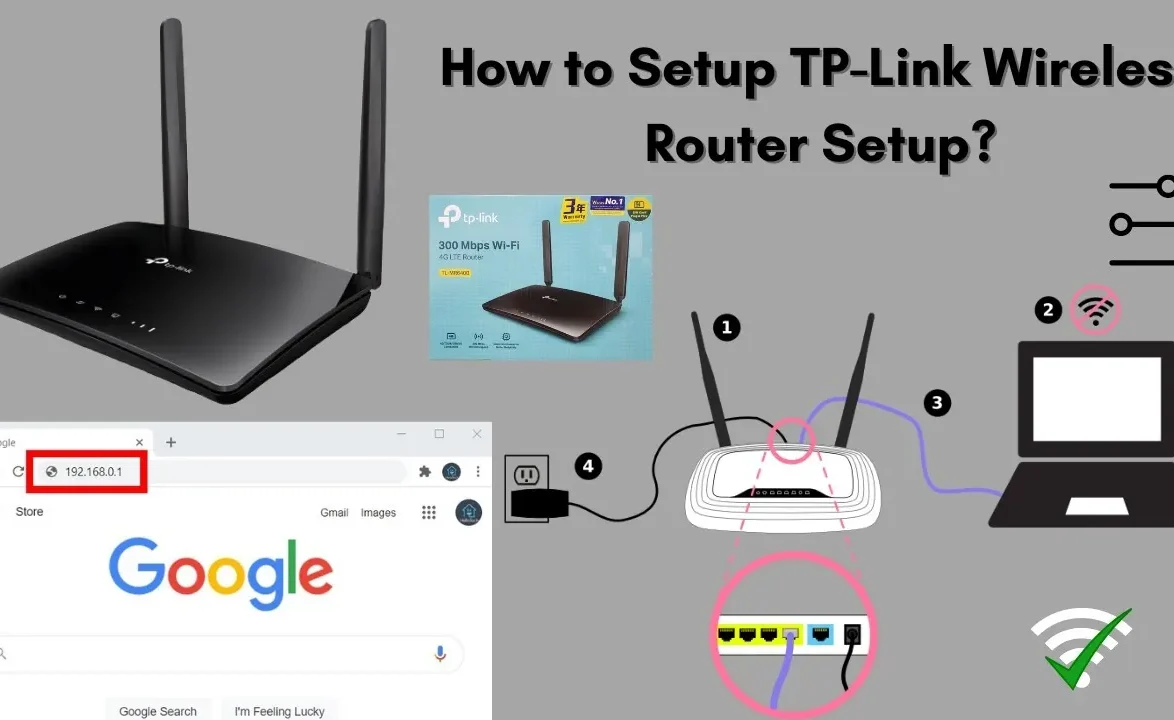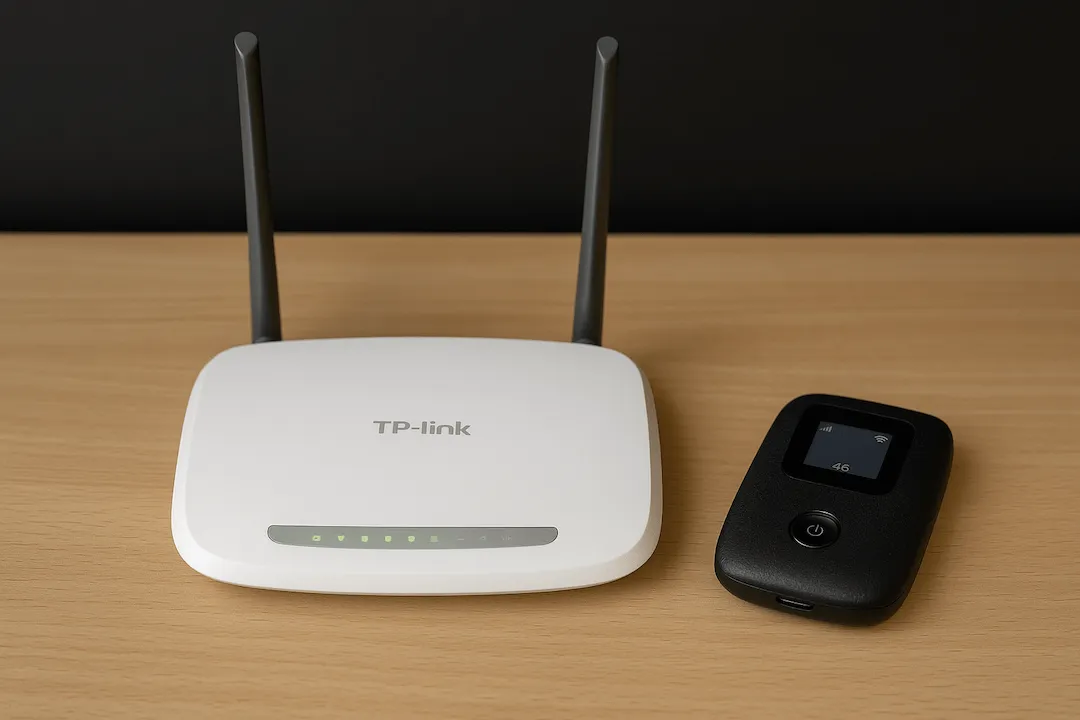
The best Wi-Fi router for home use in Kenya is one of the most important investments for anyone working, studying, streaming, or running a smart home today. Internet usage in Kenyan homes has grown rapidly. Families now depend on stable connectivity for remote work, online classes, entertainment, CCTV monitoring, and smart devices. Choosing the right router, therefore, determines whether your internet feels fast or constantly frustrating.
Many people blame their internet service provider when connections become slow. In reality, the router inside the house is often the real problem. Old routers struggle to handle modern bandwidth demands. Poor placement and wrong configurations also reduce performance significantly.
At Vinarq Solutions, many customers visit after experiencing weak signals, buffering videos, or unstable Zoom meetings. In most cases, upgrading to the right home router immediately solves the problem.

Why Choosing the Right Home Wi-Fi Router Matters in Kenya
Internet environments in Kenya vary greatly. Concrete walls, metal doors, apartments, and multi-room homes affect signal strength. A router that works perfectly in one house may perform poorly in another. Modern homes connect many devices at once. Smartphones, laptops, smart TVs, printers, CCTV systems, gaming consoles, and IoT devices all compete for bandwidth. Basic routers supplied by internet providers are rarely designed for heavy usage.
A good router ensures stable speeds across all rooms. It reduces connection drops. It also improves security and protects your network from unauthorized users. Reliable routers are especially important for:
- Remote workers attending online meetings
- Students attending virtual classes
- Homes using streaming platforms
- Online gamers
- Smart home users
- Small home offices
Upgrading your router often feels like upgrading your internet speed without changing your ISP.
Features to Look for in the Best Wi-Fi Router for Home Use in Kenya
Before buying a router, understanding key features helps avoid costly mistakes. Many buyers focus only on price, yet performance depends on specifications. Dual-band or tri-band capability is essential. Dual-band routers operate on both 2.4GHz and 5GHz frequencies. The 2.4GHz band covers longer distances, while 5GHz delivers faster speeds.
Wi-Fi standards also matter. Modern routers support Wi-Fi 5 or Wi-Fi 6 technology. These standards allow better device handling and faster data transmission. Coverage range should match house size. Apartments may require standard routers. Large homes benefit from mesh systems or routers with strong external antennas.
Security features are equally important. WPA3 encryption protects home networks from hacking attempts. Parental control options help families manage children’s internet usage safely. Other important considerations include:
- Number of connected devices supported
- Gigabit Ethernet ports
- Easy mobile app management
- Automatic firmware updates
- Guest network capability
Choosing based on these factors guarantees long-term performance.
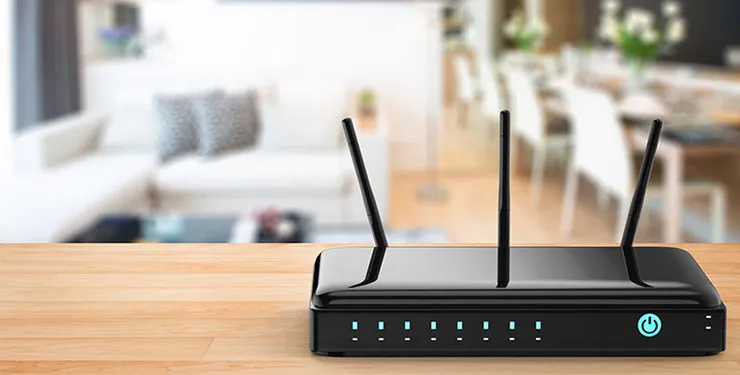
Common Wi-Fi Problems in Kenyan Homes and How Routers Solve Them
Many households experience slow internet despite paying for high-speed packages. Several common issues affect home connectivity. Signal blockage is the biggest challenge. Thick walls weaken wireless signals. Placing routers near floors or corners reduces coverage drastically. Network congestion also causes slow speeds. Older routers cannot efficiently distribute bandwidth across multiple users.
Interference from neighboring networks is another issue in apartments around Nairobi. Multiple routers operating on the same channel create instability. Modern routers solve these problems using intelligent traffic management. They automatically prioritize devices requiring higher bandwidth. Beamforming technology directs signals toward connected devices instead of broadcasting randomly. Mesh networking systems extend coverage across large homes. Additional nodes eliminate dead zones. Simple router upgrades often transform internet performance overnight.
Best Router Types for Different Home Needs in Kenya
Not every home requires the same router type. Understanding usage patterns helps buyers choose wisely. Single-band routers suit light internet users. They work for browsing and messaging, but struggle with streaming or gaming. Dual-band routers are ideal for most Kenyan households. They balance affordability and performance. Families with multiple devices benefit greatly from this option.
Mesh Wi-Fi systems are perfect for large houses or multi-floor homes. These systems create seamless coverage across all rooms without signal drops. Gaming routers support ultra-low latency connections. They improve online gaming experiences significantly. Smart home routers handle multiple connected devices efficiently. They maintain stability even when dozens of gadgets connect simultaneously. At Vinarq Solutions, customers receive guidance based on actual home usage instead of marketing hype.
How to Properly Install a Home Wi-Fi Router
Buying a good router alone is not enough. Proper installation determines performance outcomes. The router should be placed centrally inside the house. Avoid placing it near metal surfaces or behind furniture. Elevated positions improve signal distribution. Updating firmware immediately after installation improves security and stability.
Changing default passwords prevents unauthorized access. Creating separate guest networks protects personal data. Channel optimization reduces interference from nearby networks. Many modern routers automatically select the best channel. Professional setup ensures maximum performance. Incorrect configuration often wastes router capabilities. Vinarq Solutions assists customers with router configuration, optimization, and troubleshooting to ensure reliable connectivity from day one.
Why Buying From a Trusted Tech Shop in Kenya Matters
The Kenyan electronics market contains both genuine and counterfeit networking equipment. Buying from unreliable sellers leads to poor performance and a short device lifespan. Original routers provide stable firmware updates. They support higher speeds and offer manufacturer warranties.
Trusted suppliers also provide after-sales support. Customers receive installation assistance and technical advice when needed. Vinarq Solutions supplies genuine networking equipment suitable for Kenyan internet environments. Customers receive expert recommendations based on home size, ISP type, and usage needs. This approach eliminates guesswork during purchase decisions.

Future Trends in Home Wi-Fi Technology in Kenya
Internet demand continues to grow across Kenya. Smart homes, remote work, and streaming services increase bandwidth consumption yearly. Wi-Fi 6 and upcoming Wi-Fi 7 technologies will dominate future home networks. These technologies support faster speeds and improved device handling. Mesh networking adoption is also increasing in Nairobi residential areas. Users now prioritize consistent coverage instead of single-point connectivity.
Energy-efficient routers are becoming popular due to rising electricity awareness. Homes investing in modern routers today prepare themselves for future connectivity demands without frequent upgrades.
Where to Buy the Best Wi-Fi Router for Home Use in Kenya
Finding the best Wi-Fi router for home use in Kenya becomes easy when purchasing from experienced technology providers. Expert advice ensures compatibility with fiber, wireless, or Starlink internet connections.
Vinarq Solutions provides reliable routers suitable for apartments, family homes, and home offices across Kenya. Customers receive guidance, installation support, and genuine equipment designed for long-term use.
A strong home network improves productivity, entertainment, and communication daily. Investing in the right router eliminates internet frustration permanently.
For inquiries, professional router recommendations, or installation support, contact Vinarq Solutions today via WhatsApp +254745108788 and upgrade your home internet experience with confidence.